











































Pantry moths or clothes moths: How to identify and combat an infestation
Not all moths are the same: while pantry moths infest your food supplies, clothes moths target textiles. The problem: people often confuse the two species in everyday life – and then use measures that hardly help. In this guide, I will show you step-by-step how to correctly identify an infestation, recognize typical signs, and which measures are truly effective – from hygiene and inspection to beneficial insects and monitoring.
Causes: Where do pantry moths and clothes moths come from?
Where do pantry moths come from?
Pantry moths usually enter the home via already infested products – often unnoticed in flour, muesli, nuts, dried fruit, or pet food. The eggs and larvae are tiny and go unnoticed when shopping. In the kitchen, they then find ideal conditions: dark cupboards, warmth, and plenty of dry supplies.
Where do clothes moths come from?
Clothes moths are frequently introduced via textiles – e.g., second-hand clothing, rugs, wool blankets, or seasonal items that are rarely used. The key is: the larvae love natural fibers (wool, felt, fur, cashmere) and quiet areas such as closets, boxes, and dark corners.
Identification: Pantry moth or clothes moth – how do you spot the difference?
Typical signs of pantry moths
- Fine webbing in supplies, on package edges, or in cupboard corners
- Small, whitish larvae in food or on cupboard walls
- Moth(s) flying primarily in the kitchen/pantry, often in the evening
- Crumb-like residue, clumped supplies, or “threads” in the product
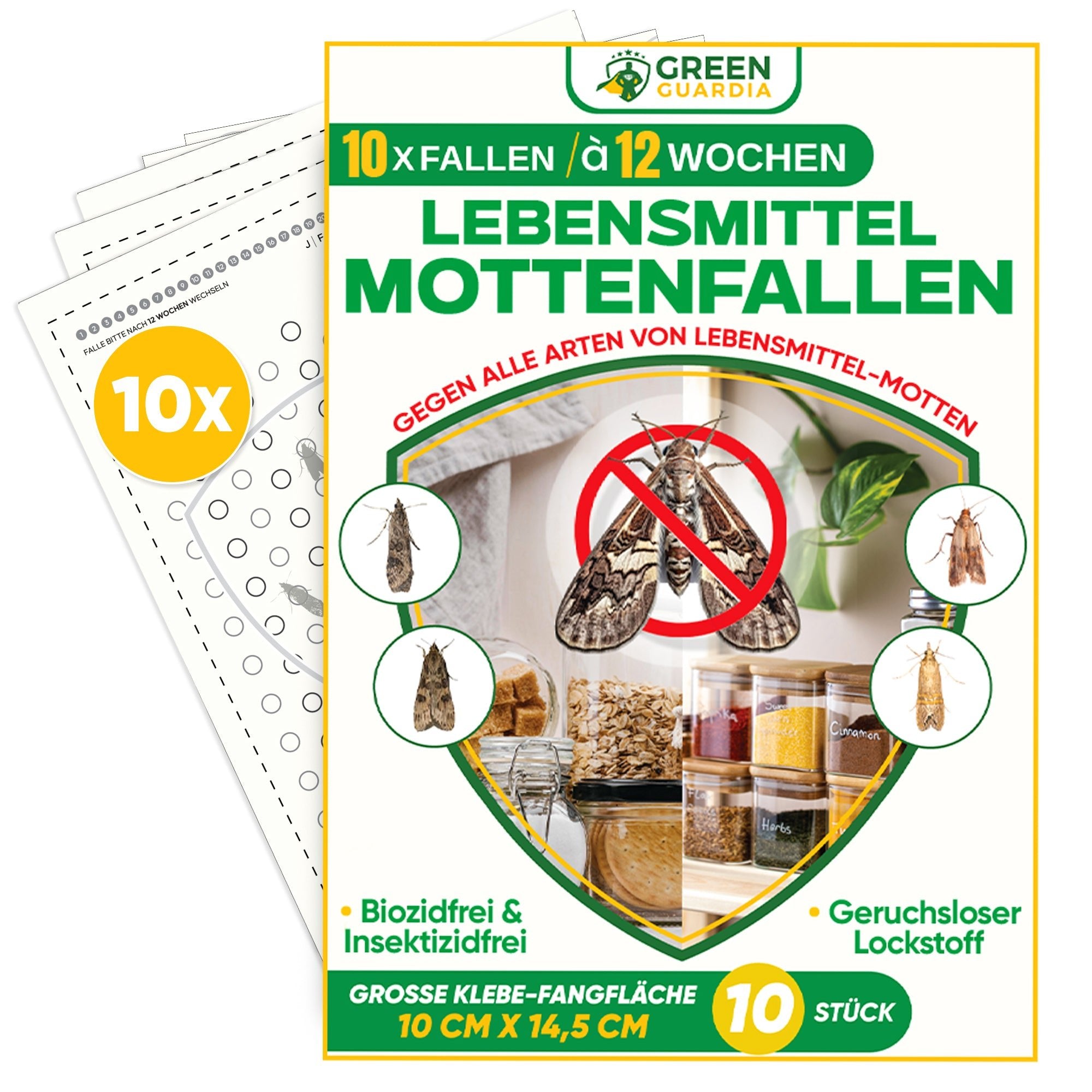
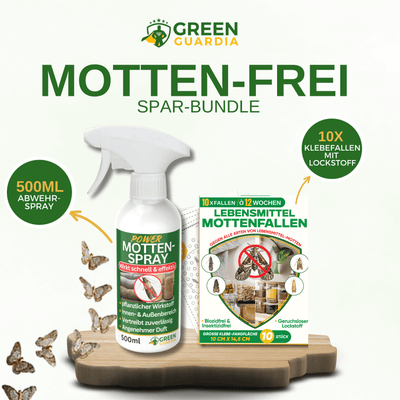
For a quick assessment and ongoing monitoring, pheromone traps are very helpful – for example, the Pantry Moth Trap (10-piece value pack). It helps to detect flying males and keep an eye on the level of infestation.
Typical signs of clothes moths
- Small holes in wool/cashmere/felt (often only visible after some time)
- Larval skins or small “tubes”/casings in cupboard seams
- Infestation especially in rarely used areas (boxes, dark cupboard parts)
- Textiles appear “thinned out,” rug edges fraying
✅ Tip: If you are unsure, start with a clean inventory: where do the moths appear – more in the kitchen/supplies or the wardrobe/textiles? The location is often the best indicator.
Combating: What really works against moths?
Combating pantry moths – step by step
- Check all supplies: Consistently dispose of infested items (including opened packages).
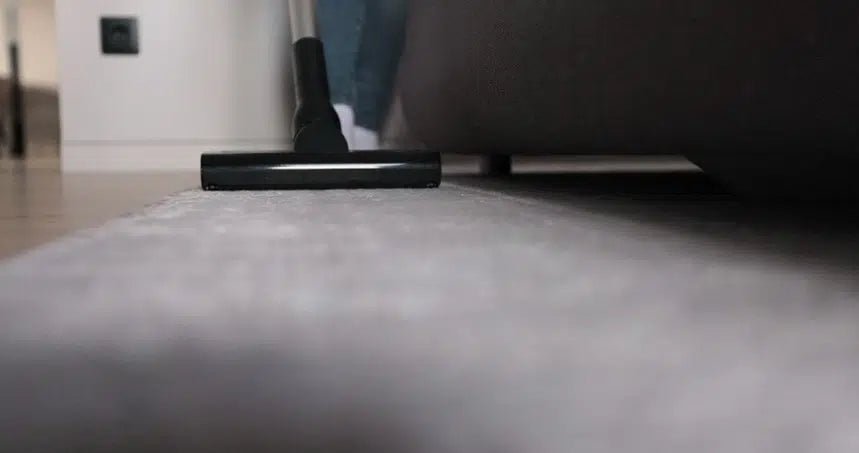
- Clean cupboards thoroughly: Vacuum and wipe out cracks, drill holes, and edges.
- Store supplies securely: Use tightly sealing containers (glass/metal/hard plastic).
- Start monitoring: Use Pantry Moth Traps to measure the infestation and check its progress.
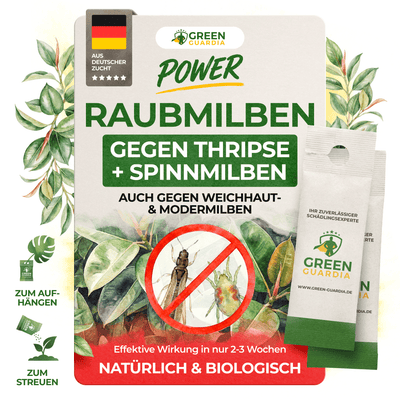
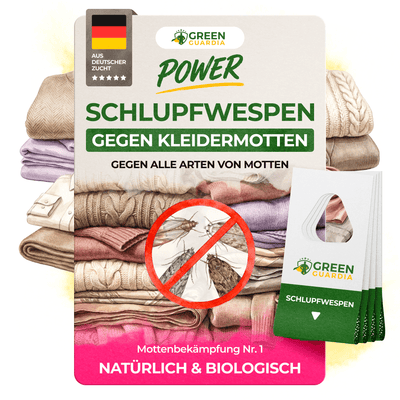
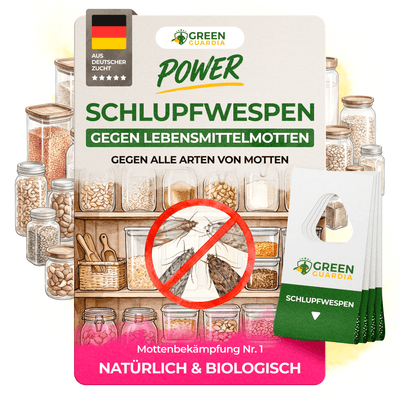
Using beneficial insects is particularly effective because they target the source directly: the eggs. Trichogramma wasps against pantry moths are perfect for this. These tiny helpers are harmless to humans and pets and specifically hunt down moth eggs – ideal as a supplement to cleaning and moth traps.
Combating clothes moths – protect textiles and stop the infestation
- Isolate textiles: Store infested items separately to prevent spreading.
- Wash/treat: Depending on the material, wash (60 °C) or have professionally cleaned.
- Clean cupboard areas: Vacuum, wipe, don't forget joints and corners.
- Avoid quiet zones: Ventilate, move, and reorganize regularly.
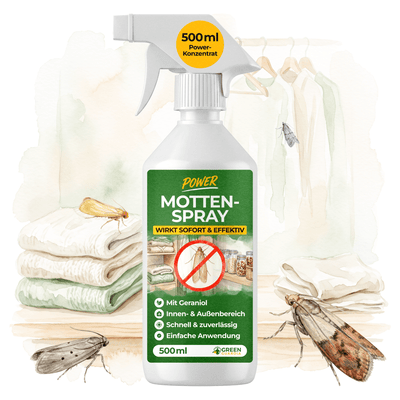
For biological control in the closet area, Trichogramma wasps against clothes moths are a very good solution because they interrupt the next generation. Additionally, a protective spray on suitable surfaces can help, especially in problem zones like cupboard back panels, skirting boards, or dark corners – e.g., the Moth Repellent Spray Power Concentrate.
Which measures really help – and which ones don't?
- Traps alone won't solve the problem: They are great for monitoring, but they do not replace the need to eliminate the root cause.
- Scent sachets are often just “cosmetic”: They can deter, but they do not reliably stop an existing infestation.
- The game changer is the combination: Cleaning + airtight storage (for pantry moths) or textile management + beneficial insects (for clothes moths) + monitoring.
Prevention: How to keep a moth infestation from returning
- Decant supplies: Transfer dry goods into tightly sealing containers.
- Check regularly: Cupboard corners, pet food, rarely used packages.
- Store textiles properly: Keep seasonal items clean, dry, and packed as airtight as possible.
- Maintain monitoring: If in doubt, use pantry moth traps as an early warning system – especially after an infestation.
- Stabilize biologically: After an infestation, Trichogramma wasps against pantry moths or Trichogramma wasps against clothes moths are a useful addition to safely capture any remaining eggs.
Take action now:
If you have discovered moths, the most important step is: identify them correctly – pantry moth or clothes moth. After that, you can act purposefully: Check supplies and store them cleanly, clean cupboards thoroughly, remove sources of infestation, and reliably interrupt the infestation with traps and beneficial insects.
In practice, this combination has proven effective: Pantry Moth Traps for monitoring, plus Trichogramma wasps against pantry moths (kitchen/supplies) or Trichogramma wasps against clothes moths (wardrobe/textiles). For typical problem zones, the Moth Repellent Spray Power Concentrate can be a practical addition.
Frequently asked questions about moth infestation
How can I tell for sure if it's pantry moths or clothes moths?
First, look at the location of the infestation: kitchen/supplies usually point to pantry moths, while the wardrobe/textiles are more likely to be clothes moths. Typical signs for pantry moths are webbing in food, while clothes moths cause holes in wool and leave larval remains in cupboard joints.
Are moth traps enough to get rid of moths?
Traps are ideal for monitoring and help make activity visible – but they rarely solve the root cause on their own. The most reliable approach is the combination of cleaning, proper storage, and targeted measures like Trichogramma wasps against pantry moths or Trichogramma wasps against clothes moths.
How long does it take for a moth infestation to be gone for good?
That depends on the severity of the infestation. Since moths go through a life cycle, it often takes several weeks of consistent action: remove the source, clean thoroughly, continue monitoring, and interrupt the next generation (e.g., with beneficial insects).
What should I do with infested food or textiles?
You should consistently dispose of infested food – including opened packages. Depending on the material, wash textiles (if possible at high temperatures), or have them professionally cleaned. It is important to clean the area thoroughly afterwards and keep monitoring the surrounding environment.
How can I prevent moths long-term?
In the kitchen, decanting into airtight containers and regular checks help. In the wardrobe, clean and dry storage, movement/ventilation, and avoiding "quiet" corners are important. After an infestation, an early warning system like the Pantry Moth Trap (value pack) can provide additional security.