







































Biological solutions for agriculture: Natural protection against pests
Pests are among the biggest risk factors in agriculture—especially where harvesting, storage, and quality come together. At the same time, there is increasing demand for sustainability, residue minimization, and integrated measures. This is exactly where biological solutions come in: they support a stable operation, help reduce infestation hotspots, and fit well into an IPM (Integrated Pest Management) concept.
Causes: Where do pest problems arise in agricultural businesses?
Many operations experience pest pressure not just in the field, but primarily in storage and processing areas: grain, animal feed, seeds, dry goods, or packaging materials provide ideal conditions. Goods receiving, transport, dust, and organic residues increase the risk—often gradually and initially unnoticed.
- Grain storage & silos with dust, residual amounts, and warm zones
- Feed storage (sacks, big bags, mixed feed) with long storage times
- Processing rooms with crumbs, bulk materials, and hard-to-reach corners
- Goods receiving (batch changes, pallets, packaging)
Detection: Typical signs of infestation in storage and operations
The earlier you detect activity, the easier it is to contain it. Especially with stored product pests, the animals themselves are not always visible—often, it is the traces that indicate an infestation. Therefore, pay close attention to hotspots such as edge zones, sack storage areas, pallet locations, and machine areas.
- Webbing or larval skins on sacks, corners, or transition areas
- Moth sightings in quiet storage areas (often in the evening/morning)
- Crumbs/boring dust in joints, under pallets, or in sack folds
- Beetles found near windows, lights, or bulk material
Control: Biological measures as part of an IPM concept
In agriculture, sustainable solutions work best when they are not used in isolation, but are embedded in a clear system: cleaning & hygiene, monitoring, and targeted biological measures. The goal is not "action at any price," but stable, predictable control—without unnecessary burden on the business and the environment.
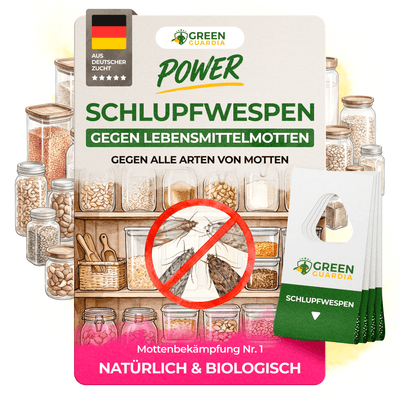
Naturally reducing Indian meal moths in storage areas
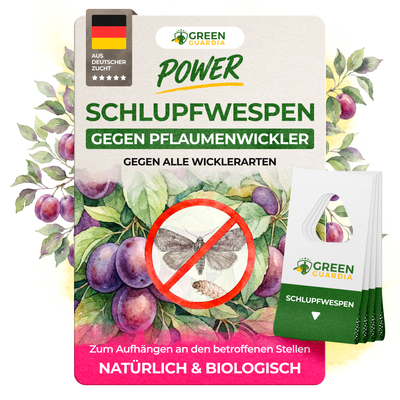
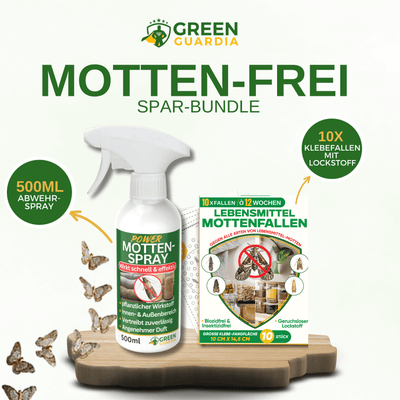
Indian meal moths (food moths) occur particularly in dry goods and feed storage areas. A proven biological measure is the use of beneficial insects that specifically parasitize moth eggs, thereby interrupting the next generation—ideal for hard-to-reach storage zones.
For a targeted, biological measure, trichogramma wasps against Indian meal moths are suitable—especially useful as a supplement to cleaning and monitoring in dry and storage areas.
Storage wasps: Biological support against stored product pests
In addition to moths, various stored product and product beetles can appear in storage areas, developing in dusty, warm zones or residual material. Beneficial insects can help reduce developmental stages in hidden areas—especially if you clean consistently and monitor hotspots specifically.
For biological support in storage, storage wasps (Lariophagus distinguendus) are suitable—ideal as part of integrated pest management if you want to lower infestation pressure sustainably.
Prevention: How to reduce pest pressure in the long term
The most important lever is prevention—especially through clean material flows and clear hygiene standards. When you reduce hotspots, you automatically reduce the pressure on every other measure. Biological solutions work best when integrated into a stable environment.
- Consistent cleaning of edge zones, machine areas, sack & pallet locations
- Avoid residual material: empty silos/storage areas regularly, remove "dead corners"
- Check goods receiving: separate damaged sacks/packaging
- Clear zones: strictly separate goods receiving, storage, processing, and waste
- Monitoring routine: regular visual inspections & documentation
Practical tip: If you define fixed control points per storage area (e.g., 5–10 points) and document them weekly, you will identify trends early—and can adjust in time before an infestation escalates.
Frequently asked questions about biological solutions in agriculture
Do biological beneficial insects also work in large storage areas?
Yes—especially when used as part of an IPM concept. The key is knowing your hotspots, maintaining hygiene, and conducting regular monitoring. Biological measures are most reliable under these conditions.
When should I start with biological measures?
Ideally early: as soon as the first signs appear or when storing high-risk goods (grain, feed, dry goods). The sooner you interrupt the next generation, the lower the infestation pressure will remain.
How do I combine hygiene, monitoring, and beneficials effectively?
Start by cleaning and eliminating residual amounts, define monitoring points, and use beneficial insects specifically where activity or typical hiding spots exist. Documentation helps in evaluating effectiveness and trends.
How do I know if the situation is improving?
If monitoring values decrease, fewer traces (webbing, larval skins, boring dust) appear, and hotspots remain stable, that is a good sign. Continuity is more important here than one-off actions.
Conclusion: Biological solutions are a powerful addition for agricultural businesses—especially in storage and processing areas. By combining cleaning, monitoring, and targeted beneficial insects, you can sustainably reduce pest pressure and improve operational safety in the long term.
Take action now: Check your storage hotspots, establish monitoring, and, if necessary, rely on suitable biological measures such as trichogramma wasps against Indian meal moths and storage wasps to sustainably reduce infestation hotspots and protect your stock.

